|
|
|
|

|
|
Medieval LawSeminar: English Legal HistoryASSIGNMENTS IN THE MATERIALS |
Spring 2026 |


|
History 2080 |
|
Law 2166 |
|
Prof. Donahue |
|
Spring2021 |
|
The syllabus is admittedly ambitious, perhaps overly ambitious, particularly at the beginning. Here is a list of the materials that I hope that you will be able to cover before coming to class in the first three weeks: |
|
Week 1 |
|
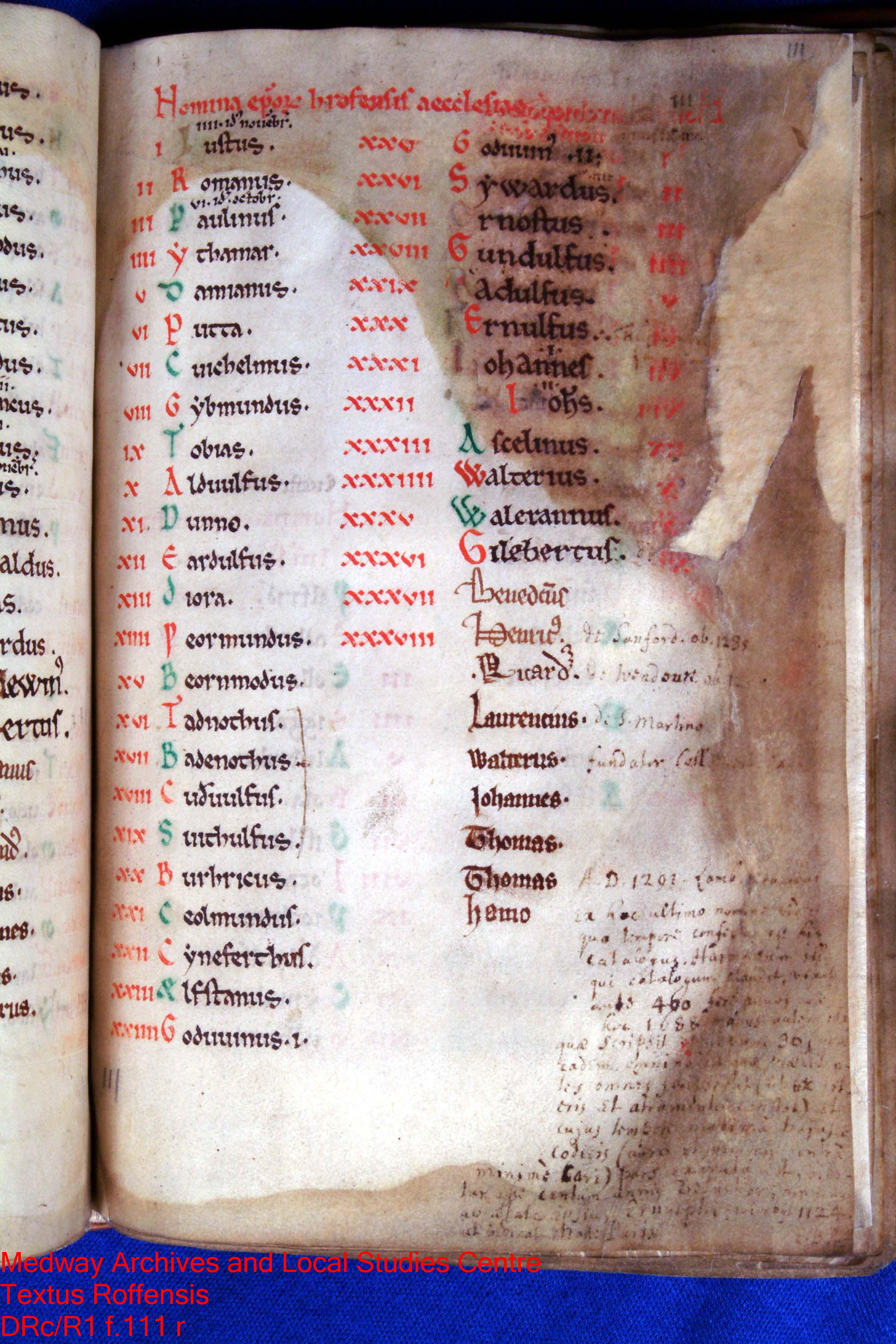
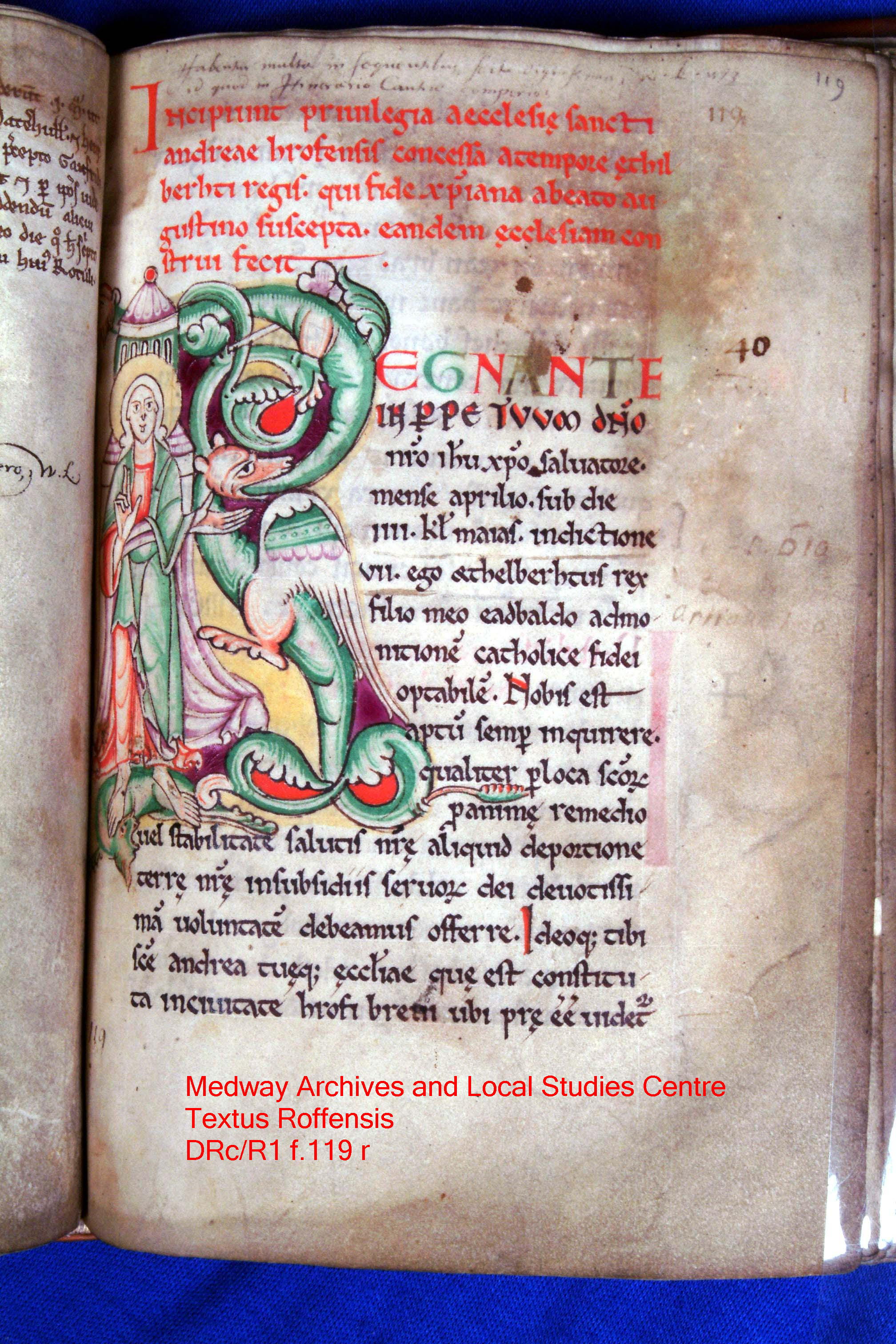
Textus Roffensis (folio 1r) ( jpg) Textus Roffensis (folio 1v) (jpg) Textus Roffensis (folio 110v) (jpg) Textus Roffensis (folio 111r) (jpg) Textus Roffensis (folio 119r) (jpg) Materials, Sections 2D–2F (text and trans. of Aethelbert’s ‘Code’, an article by Brian Simpson about it, and an attempt to analyze the document) (pdf). Wormald, ‘Lex scripta’ (a leading article on the topic). Outline of the class (describes what was done in the class the last time it was given). |
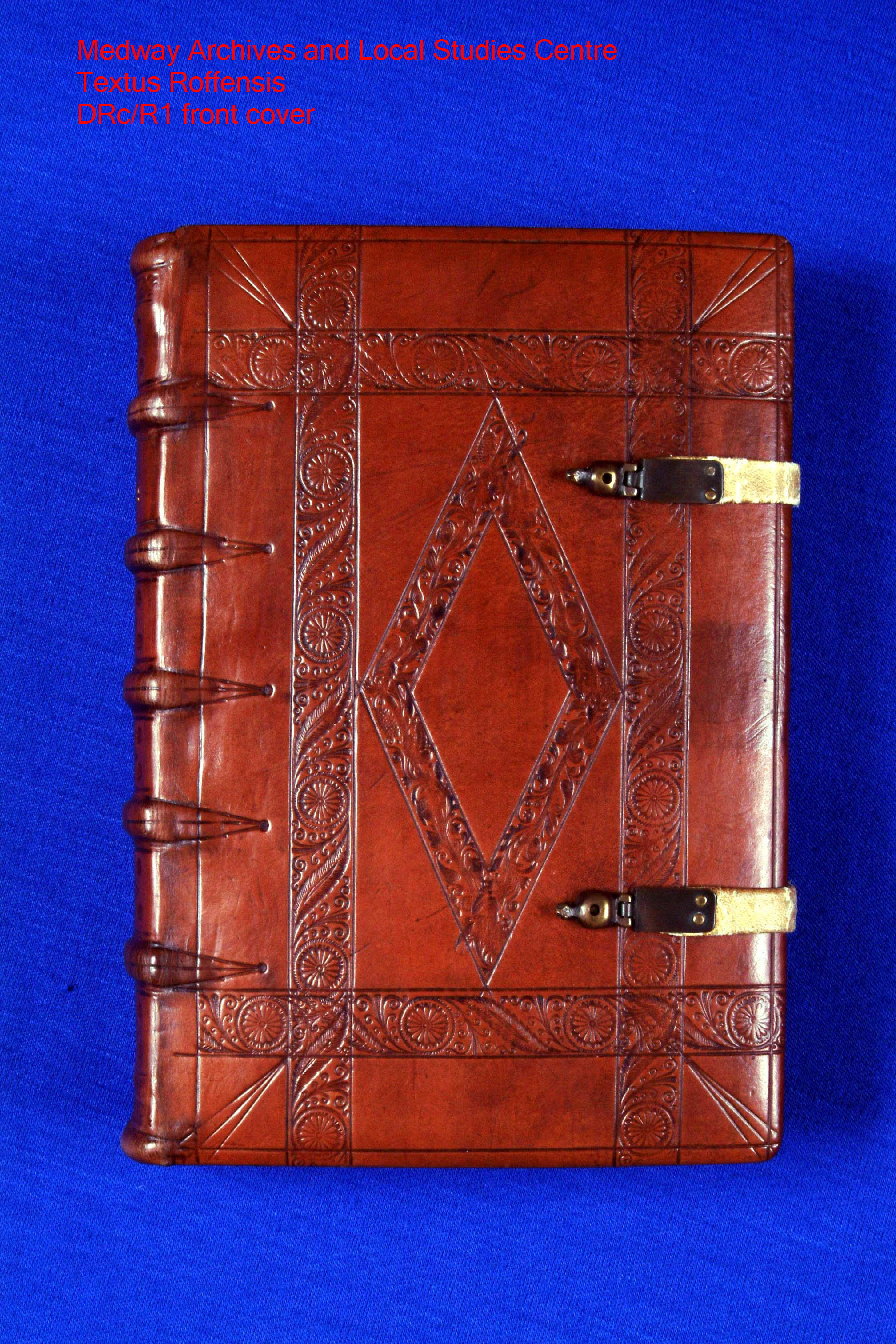
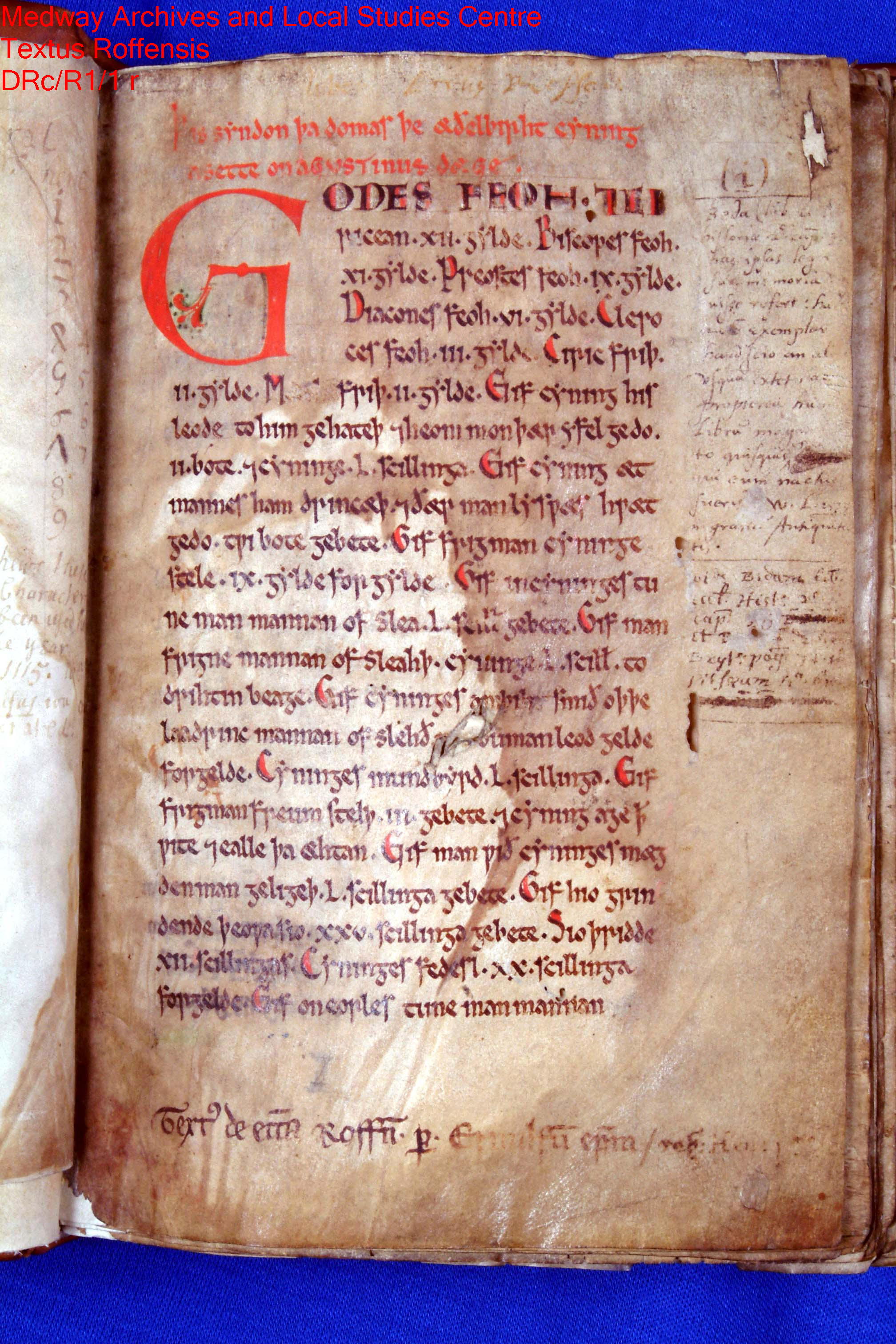
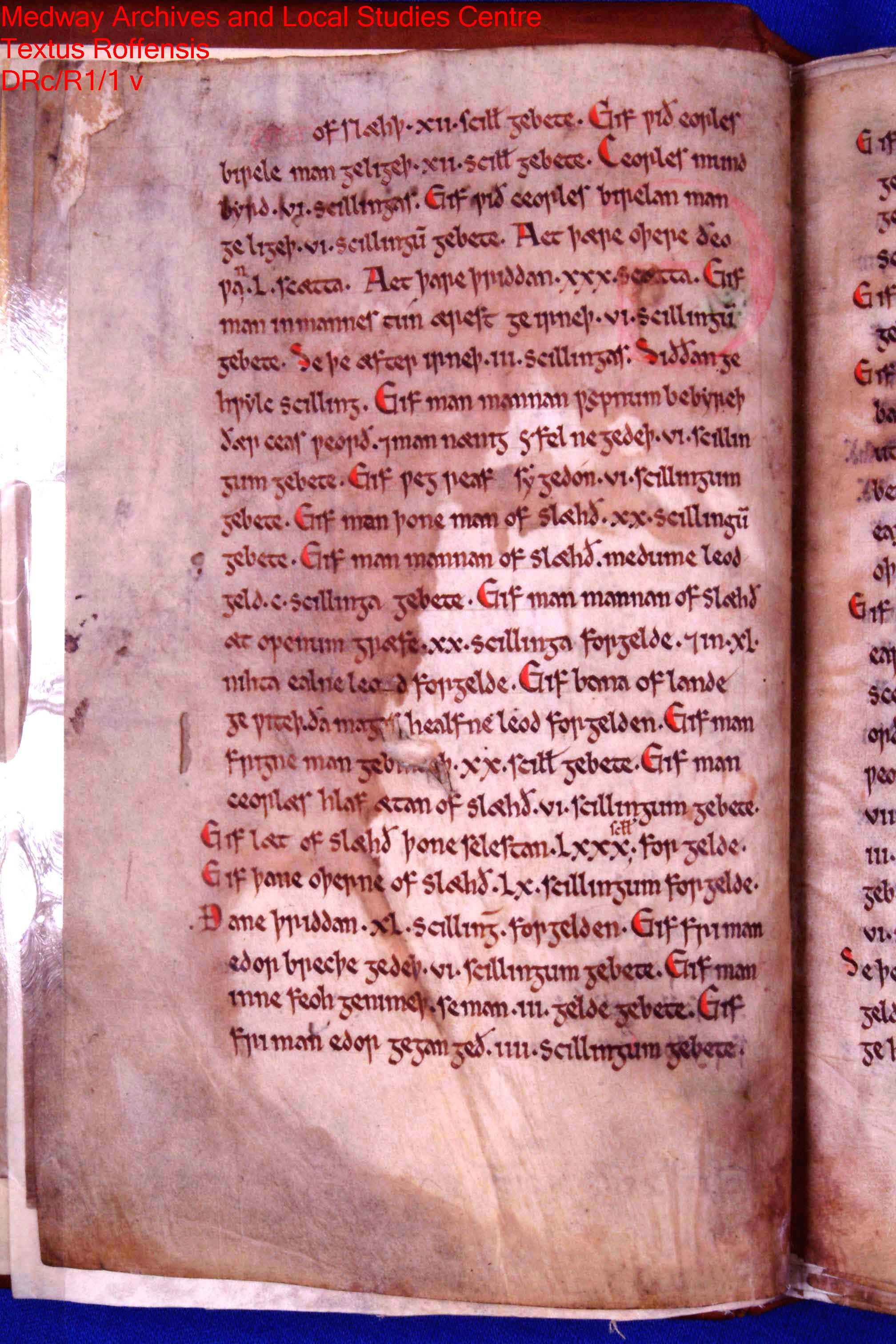
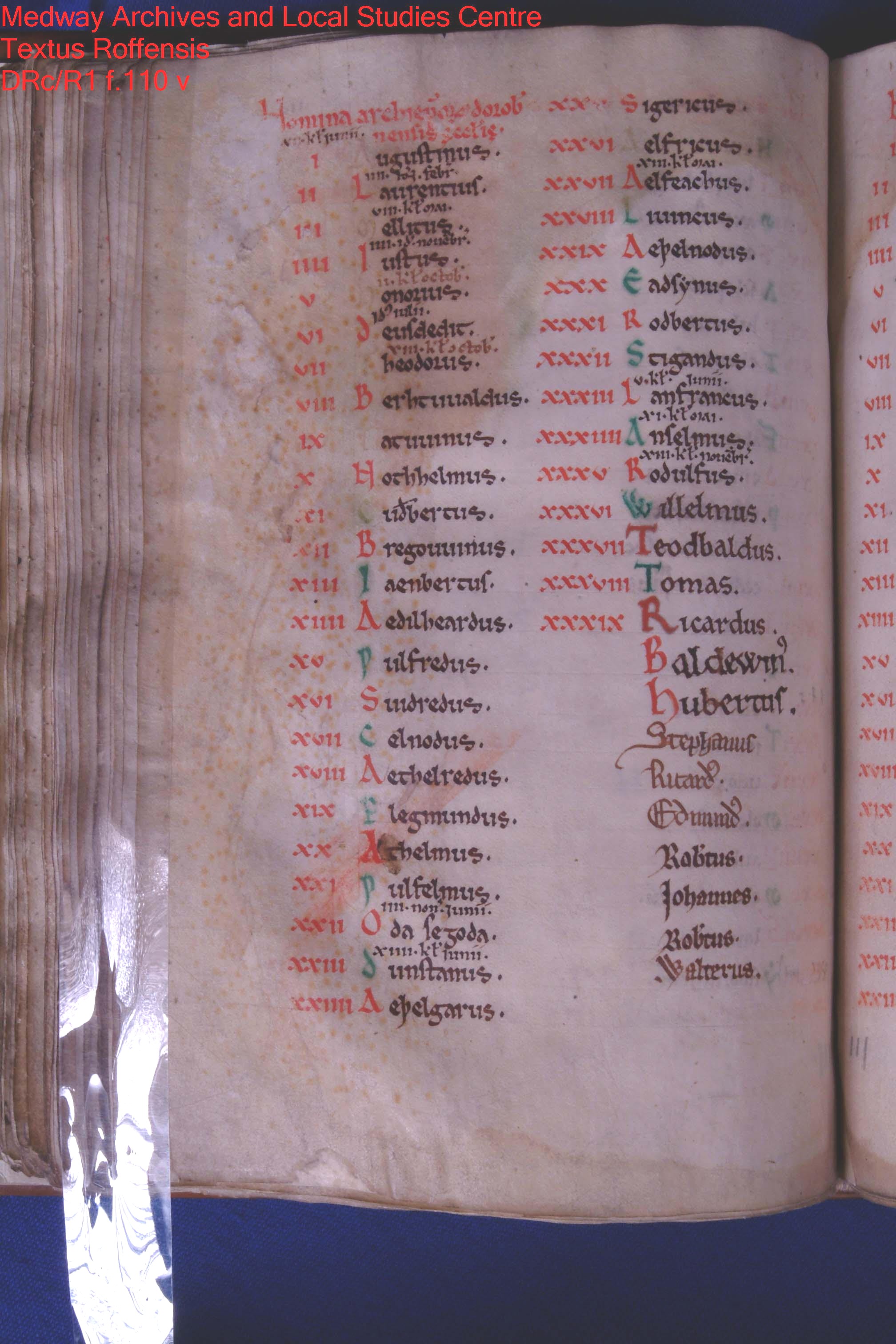
|
Week 2 |
|
Outline of the class (describes what was done in the class the last time it was given). |
|
Week 3 |
|
In last week's class we introduced the topic of feudalism and looked at one example of Anglo-Norman administration, Domesday Book. This week we should continue our discussion of Anglo-Norman administration, using the following documents: Coronation Charter of Henry I. What are the feudal institutions to which the charter refers? Milsom. Many readers find the Milsom book difficult. If what Milsom is trying to do seems totally mysterious to you, read the Palmer review. |
|
Week 4 |
|
Normally I say read the primary materials first and then the secondary literature if you have time for it. In the case of this class, however, the focus will be on whether the primary materials support the Milsom thesis about what the assizes of Henry II were trying to do. In class we will look at the extracts from Glanvill to see how, and to what extent, they support what Milsom is saying. We will then look at the extracts from the plea rolls contained in the Polstead saga. They might be regarded as an attempt to replicate Milsom's experiment using plea roll cases that he did not use. |
|
[Home Page] [FAS Home Page] [HLS Home Page] [Syllabus] [Lectures] Please send comments to Rosemary
Spang |